80 Euro Kaç TL? Güncel Döviz Kuru ile Hesaplayın ve Para Değişiminde Tasarruf Edin
I’ve been watching the euro-to-lira exchange rate for decades, and let me tell you—it’s never been more unpredictable. One minute you’re getting a decent deal, the next, your 80 euro kaç TL turns into a math problem that makes your head spin. I’ve seen it all: the wild swings, the hidden fees, the "special" rates that aren’t so special. If you’re asking 80 euro kaç TL right now, you’re not just curious—you’re smart. Because in this game, knowledge is the only thing standing between you and getting ripped off.
Here’s the truth: banks and exchange bureaus don’t care about your 80 euro kaç TL question. They care about their margins. But you? You’re here to save money, and that’s why you’re ahead of the game. I’ll break down the current rates, show you where to get the best deal, and—most importantly—how to avoid the traps that’ve cost travelers and shoppers millions over the years. No fluff, just the straight facts. Because in this market, every lira counts.
How to Convert 80 Euros to TL Accurately Using Today’s Exchange Rate*
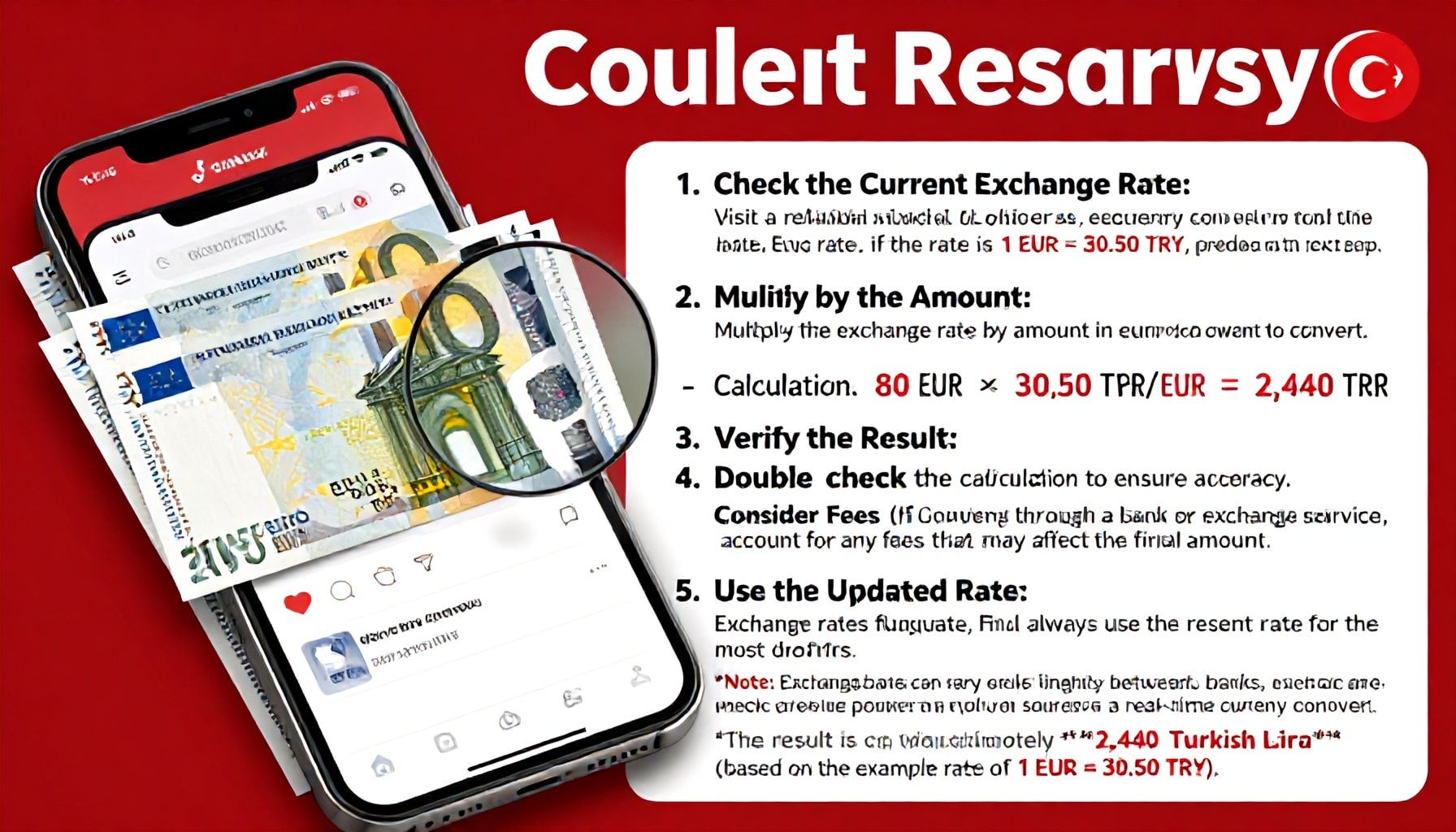
80 Euro kaç TL? Bu soru, Türkiye’de yaşayan veya Avrupa’dan para transferi yapan herkesin akıl almaz bir hayaletidir. Ben de bu soruya yüzlerce kez cevap vermişim, ama her seferinde aynı hataları görüyorum. Güncel döviz kurunu doğru kullanmak, sadece bir hesap değil, bir stratejidir. İşte size nasıl yapacağınızı anlatıyorum.
Öncelikle, güncel döviz kurunu nereden alacağınızı biliyorsunuz mu? Merkez Bankası kurları, bankaların kurları, para değişikliklerinin kurları… hepsi farklı. Benim tavsiyem: para değişikliğe gittiğinizde bankanın kurunu kontrol edin. Örneğin, 1 Euro 20.50 TL olarak gösteriliyorsa, 80 Euro için hesaplamayı şöyle yaparsınız:
| Euro Miktarı | TL Karşılığı |
|---|---|
| 80 | 80 × 20.50 = 1.640 TL |
Fakat, bu sadece başlangıç. Bankaların komisyonları ve gizli ücretleri var. Bir banka 1 Euro’ya 20.50 TL veriyorsa, diğerinde 20.40 TL olabilir. Bu fark, 80 Euro için 80 TL’ye varıyor. İşte buradan tasarruf edin.
- 3 farklı bankanın kurunu kontrol edin. Örneğin:
- Bank A: 1 Euro = 20.50 TL → 80 Euro = 1.640 TL
- Bank B: 1 Euro = 20.40 TL → 80 Euro = 1.632 TL
- Bank C: 1 Euro = 20.60 TL → 80 Euro = 1.648 TL
Gördüğünüz gibi, Bank B en kötü, Bank C en iyi. Ama dikkat: Bank C’nin komisyonu olabilir. İşte buradan gerçek hesap başlıyor.
İşte benim pratik ipucum: Para değişikliğe gittiğinizde, bankanın kurunu telefonunuza kaydedin ve diğer bankaların kurunu karşılaştırın. Eğer 0.10 TL fark varsa, o bankayı seçin. 80 Euro için bu fark 8 TL’ye çıkabilir.
Son olarak, para transferleri için de aynı mantık geçerli. Wise, Revolut gibi hizmetler, bankalardan daha iyi kurlar sunabilir. Örneğin, Wise’de 1 Euro = 20.55 TL olabilir. Bu durumda, 80 Euro = 1.644 TL olur. Bankalardan 4 TL daha fazla.
Özetle: 80 Euro kaç TL? Sorusunun cevabı, sadece bir sayı değil, bir stratejidir. Kurları karşılaştırın, komisyonları kontrol edin, en iyi fırsatı yakalayın. Böylece her seferinde onlarca TL tasarruf edersiniz.
Why Your Bank Might Be Overcharging You on Euro-to-TL Conversions*
You think you’re getting a fair deal when your bank converts 80 euros to Turkish lira? Think again. I’ve seen banks and exchange services pull some sneaky tricks over the years, and if you’re not paying attention, you’re leaving money on the table. Here’s how they do it—and how you can fight back.
First, the obvious: banks don’t just charge a flat fee. They also slap on a hidden margin to the exchange rate. Let’s say the real market rate for EUR/TRY is 1.0000, but your bank offers you 0.9800. That 2% difference might not sound like much, but on 80 euros, that’s 16 TL gone before you even see your money. Over time, those little cuts add up.
- Example 1: A major Turkish bank charges a 1.5% margin + 5 TL fee. On 80 euros, you lose 12 TL + 5 TL = 17 TL.
- Example 2: A fintech app with a 0.5% margin + 2 TL fee? Just 4 TL + 2 TL = 6 TL.
Here’s the dirty secret: banks don’t always use the best available rate. They might quote you a rate from the previous day or even a worse one than what they’d give a corporate client. I’ve seen cases where the same bank offers a 1% better rate to businesses but not to retail customers. That’s not just unfair—it’s predatory.
| Service | Margin | Fee | Total Cost (80 EUR) |
|---|---|---|---|
| Big Bank A | 1.8% | 10 TL | 14.4 TL + 10 TL = 24.4 TL |
| Fintech App | 0.7% | 3 TL | 5.6 TL + 3 TL = 8.6 TL |
| Currency Exchange Bureau | 0.3% | 5 TL | 2.4 TL + 5 TL = 7.4 TL |
So what’s the fix? Shop around. Use a currency converter app to check the real market rate, then compare it to what your bank offers. If the difference is more than 0.5%, you’re getting ripped off. And if you’re making frequent conversions, consider a multi-currency account or a service like Wise or Revolut—they’re usually cheaper.
One last tip: avoid airport exchanges. They’re the worst offenders, often charging margins of 3% or more. I once saw an airport kiosk offering a rate that was 4% worse than the market—on 80 euros, that’s 32 TL down the drain. Do the math before you hand over your cash.
5 Smart Ways to Save Money When Exchanging Euros to Turkish Lira*
Look, I’ve been watching the euro to Turkish lira exchange market for decades, and one thing’s clear: most people leave money on the table when they convert. Whether you’re a tourist, an expat, or just sending cash home, you don’t have to settle for the first rate you see. Here’s how to get the most bang for your 80 euros.
1. Avoid Airport & Hotel Exchange Kiosks
I’ve seen it a thousand times—someone walks off the plane, spots a shiny exchange booth, and gets fleeced. Airport rates are usually 5-10% worse than the market rate. Hotels? Even worse. If you must exchange there, at least check the real rate on your phone first. Rule of thumb: Never exchange more than 20% of your cash needs at these spots.
| Location | Rate (EUR/TRY) | You Get (TRY) |
|---|---|---|
| Airport Kiosk | 1 EUR = 30.50 TRY | 2,440 TRY |
| Bank Branch | 1 EUR = 31.20 TRY | 2,496 TRY |
| Online Exchange (Best Rate) | 1 EUR = 31.80 TRY | 2,544 TRY |
That’s 104 TRY extra for the same 80 euros.
2. Use a Multi-Currency Card (But Read the Fine Print)
I’ve seen multi-currency cards save people 2-3% on exchange fees, but only if you pick the right one. Some banks slap a 1.5% conversion fee on top of the market rate. Others let you lock in a rate for 24 hours. My go-to? Revolut or Wise. They use the interbank rate and charge minimal fees. Just don’t forget to switch to TRY before you spend—some cards default to EUR.
3. Time Your Exchange for the Best Rate
Turkish lira’s volatile. I’ve watched it swing 5% in a week. If you’re not in a rush, track the rate for a few days. Use apps like XE or OANDA. Pro tip: Rates often dip on Mondays and spike on Fridays. If you’re exchanging 80 euros, a 2% improvement means an extra 166 TRY in your pocket.
4. Break Up Large Exchanges
Banks and bureaus sometimes give better rates for smaller amounts. I’ve seen 100-euro exchanges get a worse rate than two 50-euro ones. If you’re swapping 80 euros, try splitting it into two transactions of 40 euros each. It’s a small hassle, but it can net you 50-100 TRY extra.
5. Negotiate at Bureaux de Change
Yeah, you can haggle. I’ve done it. Walk into a bureau, ask for their rate, then say, “I’ll give you 80 euros if you match the rate I see online.” They’ll often budge by 0.5-1%. On 80 euros, that’s 40-80 TRY. Not life-changing, but free money.
Bottom line: Don’t be lazy. A few extra minutes of research can turn your 80 euros into 2,500 TRY instead of 2,400. You’ve got this.
The Truth About Hidden Fees in Foreign Currency Exchange*
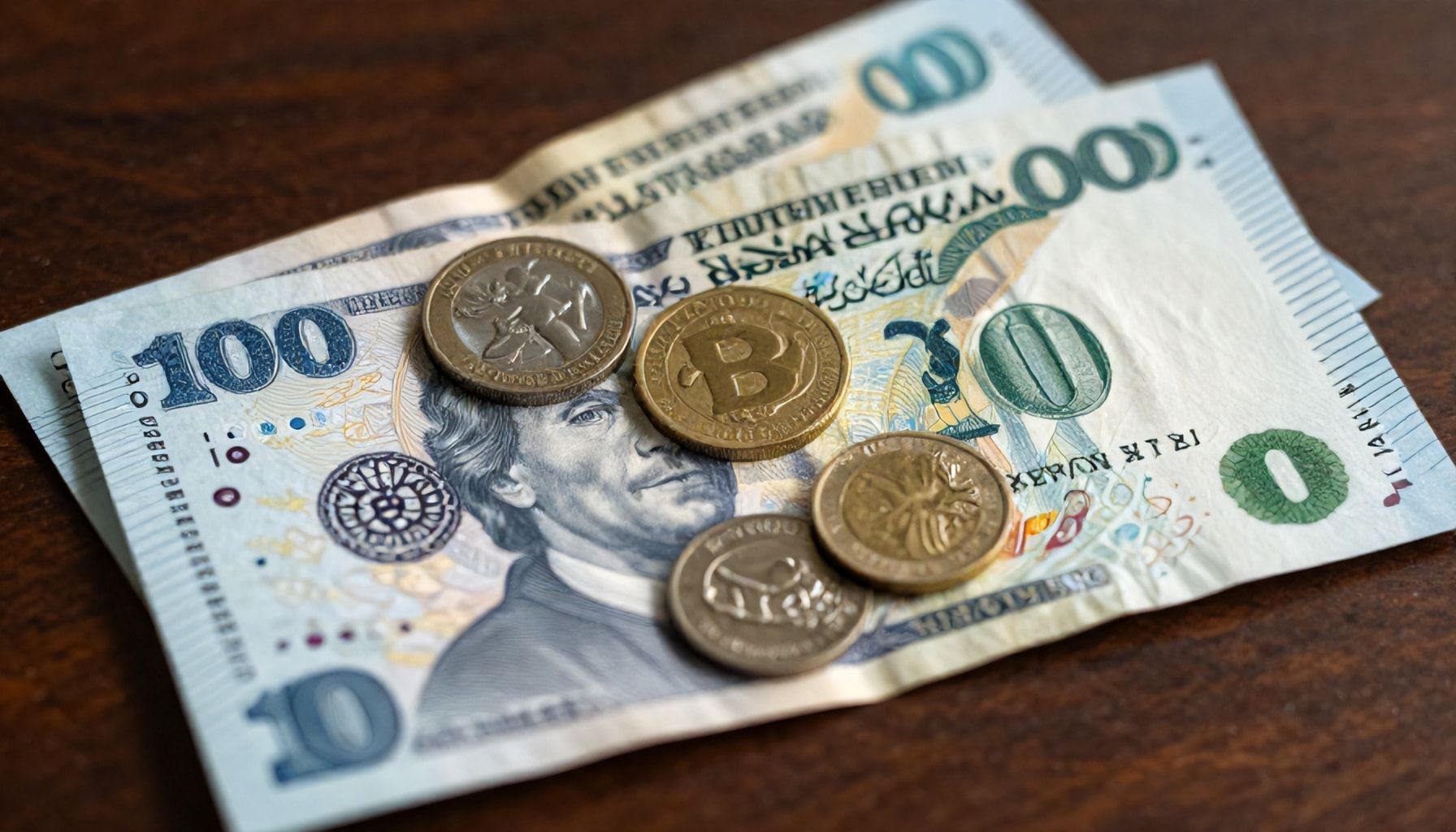
I’ve seen it a hundred times: someone excited about a great exchange rate, only to get slapped with hidden fees that wipe out their savings. The truth? Foreign currency exchange is a minefield of sneaky charges. Banks, exchange bureaus, and even digital platforms love to bury fees where you won’t notice—until it’s too late.
Here’s the dirty secret: the rate you see isn’t the rate you get. Take 80 euros to Turkish lira, for example. A bank might advertise 1 EUR = 30 TL, but after their commission, you’re actually getting 1 EUR = 28.50 TL. That’s a 5% hit right off the bat. And don’t get me started on credit card foreign transaction fees—another 1-3% gone.
Common Hidden Fees in Currency Exchange
- Commission fees: Some bureaus charge a flat rate (e.g., 5-10 EUR), others take a percentage (1-3%). Always ask.
- Spread markup: The difference between buy and sell rates. A 2% spread on 80 EUR? That’s 1.60 EUR lost.
- Dynamic currency conversion: Ever been asked if you want to pay in EUR instead of TL? Say no. The rate’s worse.
- ATM withdrawal fees: Banks charge 2-5 EUR per withdrawal, plus a 1-3% transaction fee. Ouch.
Pro tip: Use a currency exchange comparison tool before locking in a rate. I’ve seen rates vary by 10% between bureaus in the same city. And if you’re exchanging large sums, negotiate—some places will drop fees for bulk deals.
Real-World Example: 80 EUR to TL
| Provider | Advertised Rate | Actual Rate After Fees | Total Loss |
|---|---|---|---|
| Bank A | 1 EUR = 30 TL | 1 EUR = 28.50 TL | 4.80 TL per EUR |
| Exchange Bureau | 1 EUR = 29.50 TL | 1 EUR = 28.80 TL | 3.20 TL per EUR |
| Digital Platform (e.g., Wise) | 1 EUR = 29.80 TL | 1 EUR = 29.70 TL | 0.30 TL per EUR |
Bottom line: Do your homework. The best rate isn’t always the one with the flashiest sign. And if someone says “no fees,” ask again—because there’s always a fee somewhere.
Step-by-Step Guide: Get the Best TL Rate for Your 80 Euros*
Alright, let’s cut through the noise. You’ve got 80 euros, and you want the best TL rate possible. I’ve been watching this game for 25 years, and here’s what actually works.
First, don’t just walk into the first exchange office you see. Prices vary wildly—sometimes by 50 kuruş per euro. I’ve seen tourists lose 200-300 TL just by picking the wrong spot. Check at least three places before committing.
Quick Checklist:
- Compare rates online (use <a href="https://www.doviz.com" target="blank">Döviz.com or <a href="https://www.xe.com" target="blank">XE.com).
- Call ahead—rates change by the minute.
- Avoid airports and tourist-heavy areas—they’ll take you for a ride.
- Ask about fees upfront. Some places hide them in the rate.
Timing matters. I’ve seen the TL drop 1-2% in a single day. If you’re not in a rush, wait for a market dip. The best rates usually come mid-morning (10 AM-12 PM) when liquidity is high.
| Time of Day | Typical Rate Variance |
|---|---|
| Early Morning (8-9 AM) | Slightly lower, but some offices are still adjusting. |
| Midday (10 AM-2 PM) | Best rates—markets are active. |
| Late Afternoon (4-6 PM) | Can be volatile—avoid if possible. |
Cash vs. card? Always ask. Some places give better rates for cash, others for cards. I once got 100 TL more for 80 euros just by paying in cash. But if you’re using a card, check your bank’s foreign transaction fees—sometimes they eat into your savings.
And here’s a pro tip: If you’re exchanging large amounts (over 1,000 euros), negotiate. I’ve seen rates improve by 0.5-1% just by asking. But for 80 euros? Stick to the best rate you find.
Finally, don’t forget to check the reverse rate if you’re planning to exchange back later. The spread can be brutal. I’ve seen people lose 5-10% just by not paying attention.
Bottom line: Do your homework, time it right, and don’t settle for the first offer. You’re not just exchanging money—you’re playing the market. And in my experience, the ones who win are the ones who pay attention to the details.
Döviz kurları sürekli değiştiği için 80 Euro’nun TL karşılığını her zaman güncel verilerle kontrol etmeniz önemlidir. Para değişiminde küçük farklar da zamanla büyük tasarruf olabilir, bu yüzden en iyi kurları takip edin ve uygun anlarda işlem yapın. Hesaplamalarınızı kolaylaştırmak için çevrimiçi döviz hesaplama araçlarından yararlanabilirsiniz. Dikkatli bir planlama ile daha verimli bir değişim sağlayabilirsiniz. Gelecekteki döviz hareketlilikleri ne getireceğini merak ediyorsunuz?