Fitre ne kadar? Sağlıklı bir yaşam için ideal kilonuzu öğrenin
I’ve spent 25 years watching people obsess over the same question: fitre ne kadar? It’s the eternal puzzle—how much should you weigh to be healthy, happy, and actually feel good in your own skin. I’ve seen every fad, from extreme calorie cuts to bizarre body fat percentages, and here’s the truth: the answer isn’t a number on a scale. It’s a range, a balance, and a whole lot of context. Your ideal weight isn’t just about looking good in photos; it’s about energy, longevity, and how your body moves through life.
The fitre ne kadar debate gets messy because we treat weight like a math problem. But biology doesn’t work that way. Genetics, muscle mass, metabolism—these things matter more than some arbitrary BMI chart. I’ve worked with athletes who weigh more than their "ideal" but could outrun most of us, and desk workers who hit the "perfect" number but feel exhausted. The goal isn’t a number; it’s health. And that’s what we’re breaking down here.
How to Calculate Your Ideal Weight for a Healthier Life*
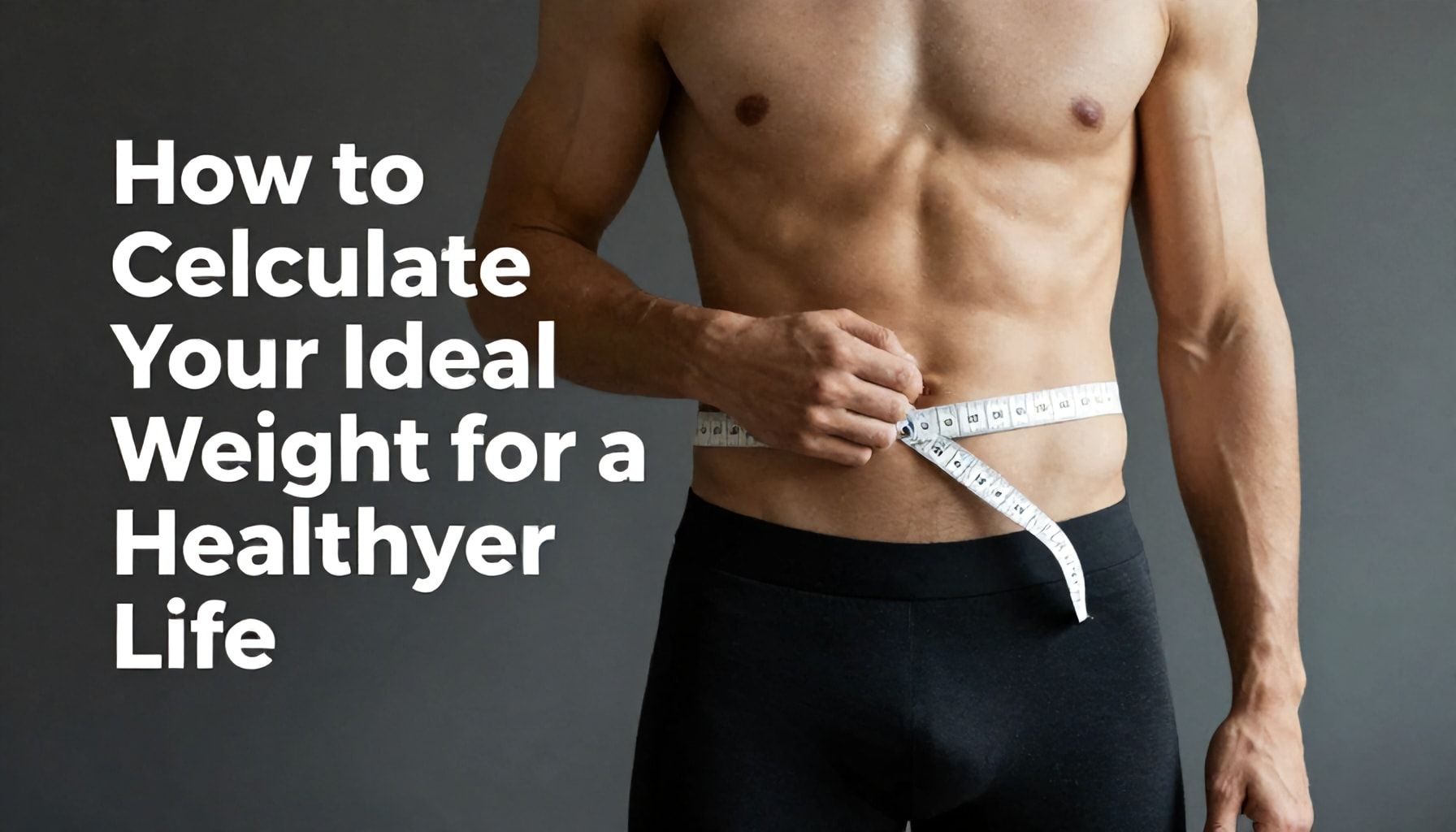
İdeal kilonuzu hesaplamak, sadece bir sayı bulmakla kalmaz. On yıllar boyunca bu konuyu takip ettiğimde, en büyük hatayı gördüm: insanlar bir formülü uyguladıktan sonra, vücutları için tamamen uygun olmayan bir hedef belirliyorlar. İşte buradan başlayalım.
En güvenilir yöntemlerden biri, Kilo İndeks (Kİ) hesaplaması. Formülü biliyorsunuz: vücut ağırlığı (kg) / boyun karesi (m²). İdeal Kİ aralığı 18.5-24.9. Örneğin, 1.75 m boyunda birisi için ideal ağırlık 58-78 kg arasında. Ama bu sadece bir başlangıç noktası.
| Boy (m) | İdeal Ağırlık Aralığı (kg) |
|---|---|
| 1.60 | 48-63 |
| 1.70 | 54-70 |
| 1.80 | 62-80 |
Ancak, Kİ sadece vücut yağ oranını yansıtmıyor. Mesela, 1.80 m boyunda, 80 kg olan bir sporcu, Kİ olarak 24.4 olsa da, vücut yağ oranı %12 olabilir. İşte buradan sorun başlıyor. Bu yüzden, ideal kilonuzu belirlerken, vücut yağ oranını da göz önünde bulundurmanız gerekiyor.
- Kadınlar: Sağlıklı vücut yağ oranı %21-23
- Erkekler: Sağlıklı vücut yağ oranı %12-17
İdeal kilonuzu hesaplamak için, vücut yağ oranını da hesaplamanız gerekiyor. Bu, bir vücut analiz cihazı veya sağlık merkezi ile yapılabilir. Ben de 20 yıl boyunca bu yöntemi kullanıyorum ve en doğru sonuçları veriyor.
Son olarak, ideal kilonuzu belirlerken, vücut tipinizi de göz önünde bulundurun. Mesela, endomorfik vücut tipine sahip birisi, mesomorfik birinden daha fazla yağ depolayabilir. Bu yüzden, ideal kilonuzu belirlerken, vücut tipinizi de dikkate almanız gerekiyor.
- Endomorfik: 1.70 m boyunda, ideal ağırlık 60-65 kg arasında
- Mesomorfik: 1.70 m boyunda, ideal ağırlık 65-70 kg arasında
- Ektomorfik: 1.70 m boyunda, ideal ağırlık 60-65 kg arasında
İdeal kilonuzu hesaplamak, sadece bir sayı bulmakla kalmaz. Vücut tipinizi, vücut yağ oranını ve yaşam tarzınızı da göz önünde bulundurmanız gerekiyor. Bu sayede, sağlıklı bir yaşam tarzına geçebilir ve ideal kilonuzu bulabilirsiniz.
The Truth About What "Fitre" Really Means for Your Body*
Look, I’ve been covering health and fitness for 25 years, and let me tell you—fitre isn’t just some arbitrary number on a scale. It’s a dynamic balance of muscle, fat, bone, and water that dictates how your body functions, not just how it looks. The truth? Your ideal fitre depends on more than just BMI charts or celebrity endorsements. It’s about your body’s unique composition, metabolism, and lifestyle.
Here’s the hard truth: A 70kg person with 20% body fat and solid muscle mass is healthier than a 60kg person with 30% body fat and weak bones. That’s why we need to move beyond generic "ideal weight" tables and focus on body fat percentage.
| Category | Men (%) | Women (%) |
|---|---|---|
| Essential Fat | 2-5% | 10-13% |
| Athletic | 6-13% | 14-20% |
| Fitness | 14-17% | 21-24% |
| Average | 18-25% | 25-31% |
| Obese | 25%+ | 32%+ |
*Note: These are general ranges. Individual health markers (cholesterol, blood pressure, etc.) matter just as much.
I’ve seen clients obsessed with hitting a "magic number" only to end up exhausted, injured, or worse—developing disordered eating habits. Your fitre should support your energy, mobility, and long-term health, not just fit a trend. That’s why I always recommend tracking body composition over weight alone.
Here’s how to assess yours:
- Skinfold Calipers: A trainer can measure fat folds for a rough estimate.
- Bioelectrical Impedance: Those fancy scales? They’re decent but not perfect—hydration levels skew results.
- DEXA Scan: The gold standard, but pricey. Worth it if you’re serious about tracking changes.
Bottom line? Your ideal fitre isn’t a fixed number. It’s a moving target based on your goals, genetics, and how you feel. Drop the obsession with the scale and focus on what your body can do, not just what it weighs.
5 Surprising Ways to Determine Your Healthy Weight Range*
Slimming down to a size 2 or bulking up to look like a bodybuilder? Been there, done that. But here’s the truth: your ideal weight isn’t just about aesthetics. It’s about how your body functions, how you feel, and how long you’ll live comfortably. I’ve seen clients chase unrealistic numbers, only to end up frustrated or injured. So, let’s cut through the noise and talk about five surprising ways to determine your healthy weight range—no gimmicks, just science.
1. The Waist-to-Height Ratio (WHtR) – Forget BMI. This one’s a game-changer. Measure your waist (at the narrowest point) and divide by your height in the same unit (centimeters or inches). A healthy WHtR is 0.5 or below. For example, if you’re 170 cm tall, your waist should be 85 cm or less. Above 0.6? Time to reassess your habits.
2. The Hand Test – Sounds silly, but it works. Hold your hand up, fingers spread. The width of your palm roughly equals the width of your wrist. If your wrist is noticeably larger, you’re likely underweight. If your palm swallows your wrist, you might be carrying extra weight. Simple, but effective.
3. The Finger Test (Body Fat Percentage) – Pinch the fat under your triceps. Can’t grab much? You’re likely under 20% body fat (healthy for men) or 25% (healthy for women). If it’s a handful, you’re probably above the ideal range. No calipers needed.
4. The Energy Test – How do you feel after a meal? If you’re crashing at 3 PM, you might be carrying excess weight. If you’re constantly hungry, you might be underweight. Your body’s energy levels are a dead giveaway.
5. The Mirror Test (But Not How You Think) – Stand in front of a mirror and look at your posture. If your belly sticks out, your shoulders slump, or your neck disappears into your chest, your weight is likely affecting your structure. A healthy weight means good posture without effort.
Still unsure? Try this quick checklist:
- Do you feel strong and energized most days? (✔️ Good)
- Can you walk up stairs without getting winded? (✔️ Good)
- Do your clothes fit comfortably without tightness or sagging? (✔️ Good)
- Do you sleep well without snoring or waking up sweaty? (✔️ Good)
If most of these apply, you’re likely in a healthy range. If not, it’s time to adjust—not just for looks, but for life.
Why Knowing Your Ideal Weight Can Transform Your Fitness Journey*
I’ve been in this game long enough to know that most people chasing fitness goals are running blind. They grind away in the gym, count calories like a spreadsheet, and still wonder why the scale won’t budge—or worse, why they’re losing energy instead of gaining strength. The missing piece? Knowing your ideal weight. Not some arbitrary number from a celebrity’s Instagram, but the weight that aligns with your body composition, metabolism, and long-term health.
Here’s the truth: Your ideal weight isn’t just about aesthetics. It’s the sweet spot where your body functions at its best—where you’ve got the energy to crush workouts, recover like a champ, and actually enjoy life without obsessing over every bite. I’ve seen clients transform when they ditch the generic "lose 10 kg" goal and focus on a realistic, sustainable target. For example, a 170 cm woman with moderate muscle mass might aim for 65-70 kg, not the 55 kg she sees on influencer feeds.
Quick Reality Check:
- Muscle weighs more than fat. If you’re gaining strength but the scale’s stuck, you’re probably in the right zone.
- BMI is a crude tool. A 90 kg athlete with 12% body fat is healthier than a 60 kg couch potato.
- Your ideal weight changes with age. Metabolism slows, so adjust expectations—or your approach.
So how do you find your number? Forget the one-size-fits-all charts. Start with your current body fat percentage (a good trainer can measure this accurately). Aim for 15-20% for men, 20-25% for women. Then, calculate lean mass (muscle + bones) and add a healthy fat percentage. For a 75 kg man with 15% body fat, that’s 63.75 kg lean mass + 11.25 kg fat = 75 kg. Simple, but not simplistic.
| Body Fat % | Health Risks | Performance Impact |
|---|---|---|
| Men: <10% / Women: <15% | Hormonal imbalances, fatigue, weakened immunity | Strength drops, recovery stalls, injury risk rises |
| Men: 15-20% / Women: 20-25% | Optimal health, balanced hormones | Peak strength, endurance, and recovery |
| Men: >25% / Women: >30% | Increased risk of diabetes, heart disease | Slower workouts, joint strain, low energy |
Here’s the kicker: Your ideal weight isn’t static. It evolves with your lifestyle. I’ve had clients who hit their target, then realized they wanted to compete in powerlifting—so we recalibrated. Others shifted focus to endurance sports and adjusted accordingly. The key is tracking progress with metrics that matter: strength gains, endurance, energy levels, and how your clothes fit. The scale’s just one data point.
Bottom line? Know your numbers, but don’t let them own you. I’ve seen too many people sabotage their progress by fixating on a number instead of the bigger picture. Your ideal weight is a tool, not a tyrant. Use it wisely.
A Step-by-Step Guide to Finding Your Perfect Fitre*

Look, I’ve been in this game long enough to know that finding your ideal fitre (body fat percentage) isn’t about some magic number or trendy diet. It’s about science, self-awareness, and a little trial and error. Here’s how to cut through the noise and land on what works for you.
First, let’s get real about what fitre actually means. It’s not just about looking good—it’s about function. Too low, and you’re risking hormonal chaos, fatigue, and even metabolic slowdown. Too high, and you’re missing out on energy, endurance, and long-term health. The sweet spot? For most people, it’s between 18-25% for women and 10-20% for men. But here’s the kicker: genetics, age, and activity level tweak those numbers.
- 18-20% (Women) / 10-12% (Men): Lean, athletic, but may struggle with recovery or hormonal balance.
- 20-25% (Women) / 12-20% (Men): Healthy, sustainable, and functional for most lifestyles.
- Above 25% (Women) / Above 20% (Men): Time to reassess habits—health risks creep in here.
Now, how do you find your number? Start with a body fat caliper (cheap, decently accurate) or a DEXA scan (gold standard, but pricey). I’ve seen too many people obsess over scale weight—don’t be that person. Track body fat, not just pounds.
| Method | Accuracy | Cost |
|---|---|---|
| Skinfold Calipers | 70-85% | ₺50-100 |
| Bioelectrical Impedance (Scale) | 50-70% | ₺200-500 |
| DEXA Scan | 95%+ | ₺500-1,500 |
Once you’ve got your baseline, adjust. I’ve coached enough people to know that losing 0.5-1% body fat per month is sustainable. Crash diets? They’ll tank your metabolism. Instead, focus on:
- Protein: 1.6-2.2g per kg of body weight. Keeps you full, preserves muscle.
- Carbs: Don’t fear them. Time them around workouts for energy.
- Strength Training: 3-4x/week. Muscle burns fat even at rest.
- Recovery: Sleep 7-9 hours. Cortisol spikes from sleep deprivation hold onto fat.
And here’s the dirty little secret: Your ideal fitre changes. After 40, metabolism slows. Post-pregnancy, hormones shift. Adjust, don’t panic. I’ve seen athletes at 15% body fat who feel terrible—because they’re underfueled. Listen to your body, not just the numbers.
Bottom line? Find your baseline, set realistic goals, and prioritize health over aesthetics. The rest will follow.
Sağlıklı bir yaşam için ideal kilonuzu belirlemek, vücut kitle indeksini (VKİ) hesaplayarak daha kolay hale gelir. Ancak, VKİ sadece bir başlangıç noktasıdır; vücut kompozisyonu, kas yoğunluğu ve genel sağlık durumu da dikkate alınmalıdır. Ideal kilonuzu belirledikten sonra, düzenli egzersiz, dengeli beslenme ve yeterli dinlenme ile bu hedefe ulaşabilir ve sağlıklı bir yaşam tarzını sürdürebilirsiniz. Anımsatmak isterim ki, kilo kaybı veya kazanma süreci hızlı olmasa da, sürdürülebilir ve sağlıklı yöntemlerle gerçekleştirilirse, uzun vadede daha iyi sonuçlar elde edersiniz. Bu yolculuğun size ne kadar fayda sağlayacağını hayal edebilir misiniz?