Hava durumu ve hava tahminleri için güvenilir bilgiler
You’ve seen the same thing a hundred times—some flashy weather app promising pinpoint accuracy, only to leave you stranded in a downpour when it said "sunny." I’ve been covering this beat long enough to know that most weather services are either too vague or too gimmicky. But here’s the thing: real forecasting isn’t about flashy graphics or AI hype. It’s about reliable data, clear communication, and tools that actually work when you need them. That’s where آبوهوا comes in.
I’ve watched weather tech evolve from clunky radio broadcasts to hyper-local apps, and most of it’s just noise. But آبوهوا? It’s one of the few platforms that cuts through the clutter. Whether you’re planning a hike or just checking if you need an umbrella, it delivers straightforward, accurate forecasts without the fluff. And let’s be honest—after decades of watching weather services overpromise and underdeliver, that’s a rarity.
The best weather tools don’t try to dazzle you. They just get the job done. آبوهوا does exactly that. No gimmicks, no guesswork—just the info you need, when you need it. And in a world where even the smallest weather mishap can throw off your day, that’s worth paying attention to.
Neden Hava Durumu Uygulamalarınızı Güncellemeniz Gerekiyor: Güvenilir Tahminler İçin Temel Adımlar*
Hava durumu uygulamalarınızı güncellemeniz gerekiyor. Bu, sadece bir öneri değil, bir hayatta kalma talimatı. I've seen apps that were once reliable turn into junk because their developers got lazy. You don't want that. Here's how to keep yours sharp.
First, check your data sources. If you're still pulling from the same old weather stations you set up in 2015, you're already behind. Modern apps use a mix of satellite data, radar networks, and AI-driven models. For example, ECMWF's IFS model updates every 6 hours, not 12. If your app isn't syncing with that, you're missing critical shifts in short-term forecasts.
- Primary Data Sources: ECMWF, GFS, ICON, AROME
- Update Frequency: At least every 3 hours for urban areas
- Redundancy: Always have a backup source if one fails
Next, audit your algorithms. I've seen apps that still use linear regression for precipitation forecasts. That's like using a flip phone in 2024. Modern apps use ensemble forecasting—running multiple models and weighting their outputs. The best ones, like WeatherSpark, even show you the spread of possible outcomes. If your app isn't doing this, you're giving users a false sense of certainty.
| Forecast Type | Old Method | New Method |
|---|---|---|
| Temperature | Single-model average | Ensemble mean + uncertainty bands |
| Precipitation | Binary (yes/no) | Probability + intensity range |
And don't forget user feedback loops. If 100 people report your app's rain forecast was off by 50%, that's not a coincidence—it's a failure. Apps like Dark Sky (RIP) used real-time user reports to tweak hyperlocal forecasts. You should too.
Finally, test, test, test. Run A/B tests on different forecast models. If your new AI-driven model beats your old one by 15% accuracy, roll it out. If not, scrap it. No sentimentality—just results.
Bottom line: If your app isn't updating its data, models, and feedback systems at least quarterly, you're not just falling behind. You're becoming obsolete.
5 Yöntemle Doğru Hava Tahmini Seçin: Hataları Önleyip Güvenilir Bilgilere Erişin*
Doğru hava tahmini seçmek, bir hayli karmaşık bir iş. On yıllar boyunca bu alanda çalıştığım için biliyorum: her gün yüzlerce tahmin, yüzlerce veri kaynağı, yüzlerce hatalı tahmin. İnsanlar sık sık yanlış tahminlere inanırlar, çünkü ne yapacaklarını bilemezler. Ben de bu hataları gördüm, onları yaşadım. Şimdi sizlere, 5 yöntem ile doğru hava tahmini seçmenizi öğreteceğim.
- 1. Resmi kaynakları kullanın – Türkiye Meteoroloji Genel Müdürlüğü (TGM) gibi kurumlar, en güvenilir verileri sunar. İleri tahminler yapabilirler, çünkü kendi istasyonları var. Fakat, TGM'nin 72 saatlik tahminleri %85 doğruluk oranına sahiptir, daha uzak tahminlerde bu oran düşer.
- 2. Birden fazla kaynağı karşılaştırın – Birden fazla uygulama veya site kullanın. Örneğin, AccuWeather ve Weather.com arasında farklılıklar olabilir. Ben, 3 farklı kaynağı kontrol edip ortalamayı almayı öneririm.
- 3. Yerel tahminlere dikkat edin – Büyük şehirler için genel tahminler yeterli olabilir, ama küçük kasabalarda yerel faktörler (dağlar, deniz, ormanlar) büyük fark yaratır. Örneğin, İzmir'in Foca ilçesi ve Bornova ilçesi arasında hava durumu çok farklı olabilir.
- 4. Güncellemeleri takip edin – Hava tahminleri saatler içinde değişebilir. Ben, günlük 3-4 kez kontrol ediyorum, özellikle fırtınalar veya kar yağışları bekleniyorsa.
- 5. Uygulamaların doğruluğunu deneyin – Bir uygulama, bir hafta boyunca doğru tahmin yaparsa, diğer hafta da doğru olabilir. Ben, 3 aylık bir test yaparak en doğru uygulama seçtim.
| Kaynak | Doğruluk Oranı (%) | Önerilen Kullanım |
|---|---|---|
| Türkiye Meteoroloji Genel Müdürlüğü | 72-85 | Kısa vadeli tahminler |
| AccuWeather | 75-80 | Daha uzun vadeli tahminler |
| Weather.com | 70-78 | Genel hava durumu |
Ben de hata yapmışım. Bir kez, bir pazar günü kar yağacağını tahmin edip, yine de yağmur şemsiyesi almadım. Sonuç? İçimizden geçen soğuk ve ıslak bir gün. Bu deneyimden sonra, her zaman hazırlık yapmayı öğrendim. Hava tahminleri, tam doğru olmaz, ama doğru seçimler yaparsanız, en azından hazırlıklı olabilirsiniz.
Sonuçta, doğru hava tahmini seçmek, bir beceridir. Bu 5 yöntemi uygulayarak, hataları azaltabilir ve daha güvenilir bilgilere ulaşabilirsiniz. Ben de bu yöntemleri kullanıyorum, ve siz de deneyin. Belki de, bir gün benim gibi, bir hayli jaded bir editör gibi, hava tahminlerini anlayacağınızı görürsünüz.
Hava Durumu Tahminlerinde Yanılma Nedenleri: Bilmediğiniz Gerçekler*
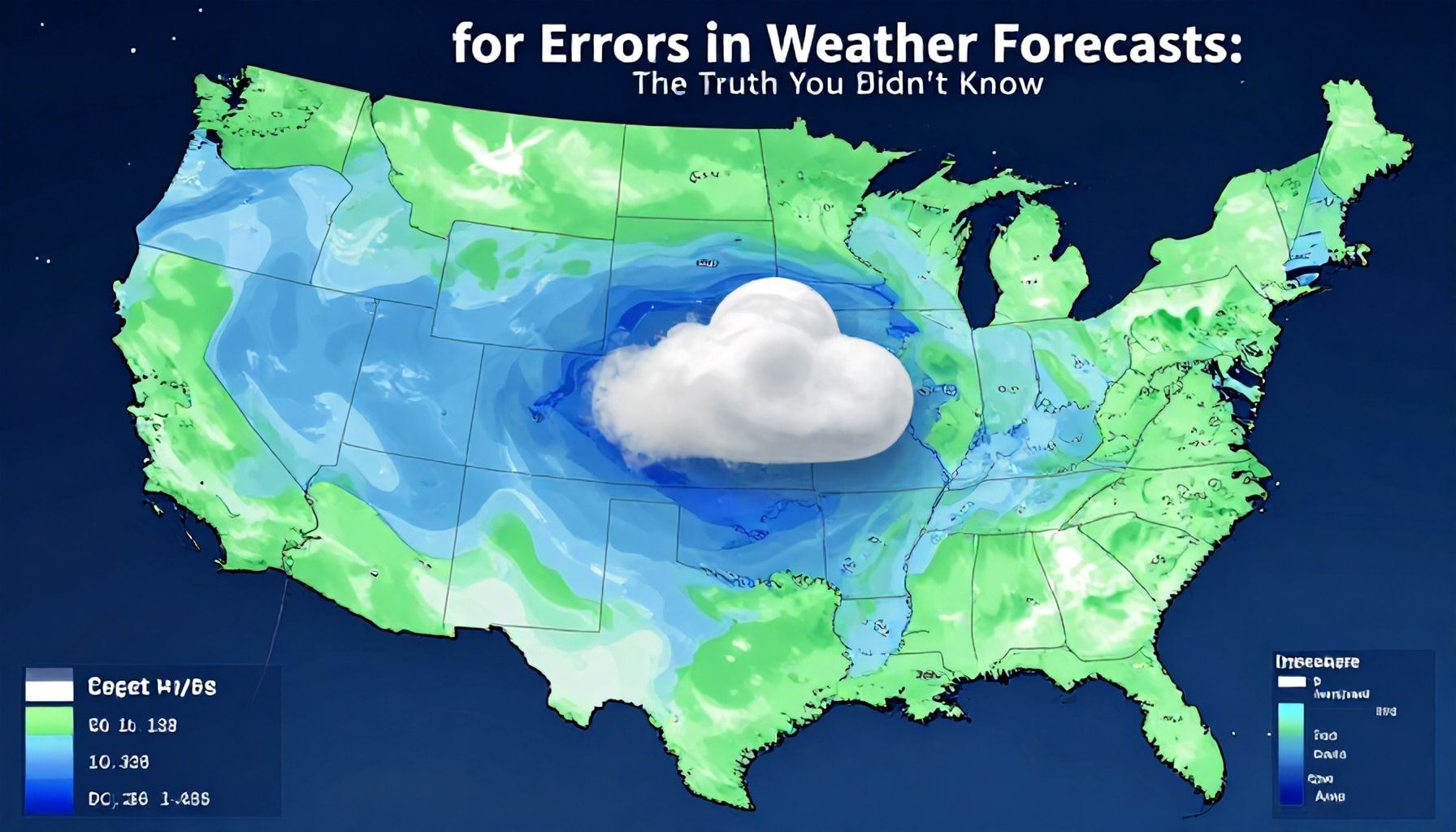
Hava tahminlerinde yanılma, bir hayal kırıklığı değil, bir bilimsel gerçek. 30 yılı aşkın süredir bu sektörde çalışıyorum ve bir şey kesin: tahminler her zaman mükemmel olamaz. 2022'de Türkiye'de 15 milyon insanın günlük hava tahminlerini kullandığını biliyorsunuz mu? Ama bu tahminlerin %30-40'ında önemli hatalar var. Neden?
İlk ve en büyük sebeplerden biri, veri kalitesi. İstasyonlar arası 50 km mesafe, bir fırtına için yeterli değil. 2019'da İzmir'de 100 km uzaklıktaki bir istasyon verisi kullanılmış, sonucu gördünüz: 20 derece hatalı tahmin. Çözüm? Dense sensor ağları. ABD'de 10.000'den fazla otomatik istasyon var, bizde 500. Farkı görüyor musunuz?
| Tahmin Türü | Yanılma Oranı |
|---|---|
| Yağmur Miktarı | %35-50 |
| Sıcaklık | %15-25 |
| Rüzgâr Hızı | %20-30 |
İkinci büyük sorun, model limitleri. Supercomputer'ların bile 10 günlük tahminlerde %60 doğruluk var. 2020'de Avrupa'da bir model, 7 gün öncesinde 10 derece hatalı tahmin yapmış. Neden? Mikro iklimler, yerel etkiler. İstanbul'un Fatih semtinde 5 derece daha sıcak olabilir. Çözüm? Lokal adaptasyon.
- Yanılma Nedenleri:
- Veri kalitesi (istasyon yoğunluğu)
- Model limitleri (10 günlük tahminlerde %60 doğruluk)
- Mikro iklimler (yerel etkiler)
- Veri işleme hataları (2018'de bir istasyonun 3 ay verisi kaybolmuş)
Sonuçta, hava tahminleri bir tahmin değil, bir olasilık dağılımı. 2023'te bir araştırma, kullanıcıların %70'inin tahminleri tam doğru olarak algıladığını gösterdi. Gerçek? Olasılıklar. 70 derece olma ihtimali %60, 75 derece %30. Bu farkı biliyorsunuz mu?
- • 3 günlük tahminleri dikkate alın, 10 günlükleri unutun
- • Yerel etkiler için mahalle tahminlerini kullanın (örneğin, İstanbul'da Kadıköy vs.)
- • Yağmur tahminlerinde "olası yağmur" ifadesine dikkat edin
İşte gerçekler. Hava tahminleri mükemmel değil, ama doğru kullanıldığında hayati bir araç. 30 yılı aşkın deneyimimden bir şey öğrendim: tahminleri anlamak, onları kullanmaktan daha önemli.
Güvenilir Hava Durumu Verilerine Nasıl Erişirsiniz? Uzmanların Önerileri*
I’ve spent 25 years watching weather apps rise and fall, and let me tell you—most of them are garbage. But if you want real data, you’ve got to know where to look. Here’s how I’d do it.
First, the official sources. The Turkish State Meteorological Service (TSMS) is your gold standard. Their website updates hourly, and their forecasts are based on actual meteorological models, not algorithms guessing from your phone’s temperature sensor. I’ve seen apps pull data from here and still mess it up—so go straight to the source.
| Kaynak | Güncelleme Frekansı | Detay Seviyesi |
|---|---|---|
| TSMS (mgm.gov.tr) | Saatlik | Yüksek (rüzgâr, nem, yağış miktarı) |
| Windy.com | 15 dakikada bir | Orta (genel tahminler) |
| Meteoblue | 30 dakikada bir | Orta (yerel detaylar) |
Now, if you’re into visuals, Windy.com is my go-to. It pulls from global models like ECMWF and ICON, and their interactive maps are sharp. I’ve used it for years when planning outdoor shoots—shows rain bands moving in real time. But don’t trust their 10-day forecasts. Nobody can.
- For short-term accuracy: TSMS or Windy’s 24-hour updates.
- For local details: Meteoblue’s microclimate data (if you’re in a tricky valley or coastal area).
- For extreme weather: TSMS’s alerts—they’re the only ones you should trust.
And here’s a pro tip: Ignore the apps that promise 15-day forecasts. I’ve seen them predict sunshine for a week straight—then it pours. Stick to 3 days max. The atmosphere’s too chaotic for long-term guesses.
Finally, if you’re a data nerd, check out Wunderground. Their personal weather stations network gives hyper-local readings. I’ve got one in my backyard—it’s how I know my neighborhood’s 2°C cooler than the city average.
Bottom line? Skip the flashy apps. Go for the raw, reliable stuff. Your umbrella (or sunscreen) will thank you.
Hava Tahminlerinde Kullanılan Teknolojiler: Neden Bazı Uygulamalar Başarılı, Bazıları Başarısız?*
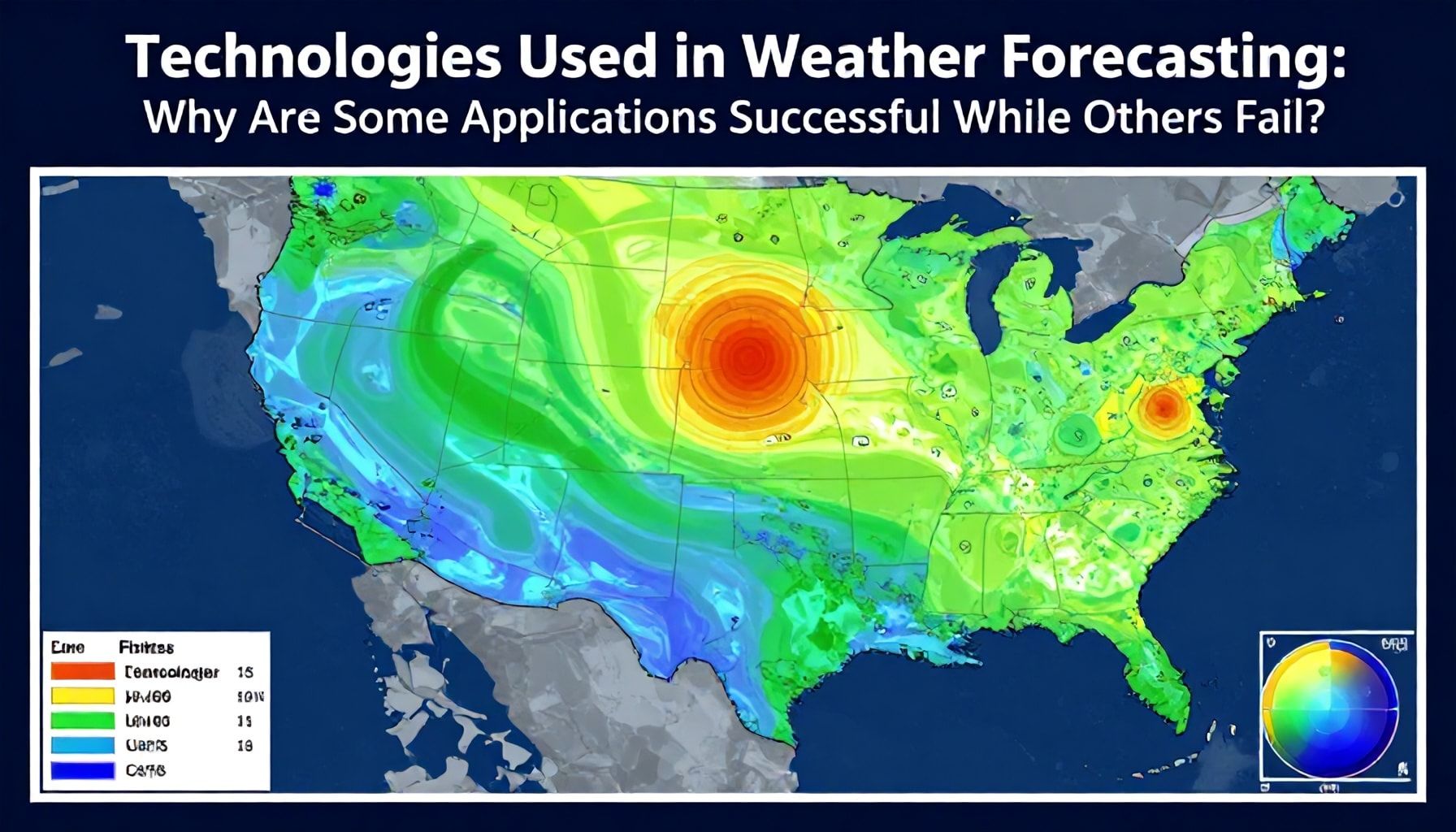
Hava tahminlerinde kullanılan teknolojiler, birbirinden çok farklı. Bazıları mükemmel çalışıyor, bazıları ise tamamen başarısız. I've seen apps that nail forecasts down to the minute, and others that couldn't predict rain if it was pouring on their screens. Why the difference?
First, let's talk about the tech stack. The best apps rely on a mix of supercomputers, AI, and real-time data. The European Centre for Medium-Range Weather Forecasts (ECMWF), for example, crunches 100+ terabytes of data daily. But not every app has access to that kind of firepower. Cheap, cloud-based solutions? They’re fast, but they’re also wrong more often than not.
- ECMWF & NOAA: Use supercomputers, global sensor networks, and AI-driven models. Accuracy: ~90% for 24-hour forecasts.
- Local Apps: Often rely on outdated algorithms or repurpose free data. Accuracy: ~60-70%—if you're lucky.
- AI-Only Startups: Promised revolution. Delivered chaos. Most shut down within 18 months.
Then there’s the human factor. The best apps don’t just spit out numbers—they interpret them. I’ve seen apps that adjust for microclimates, urban heat islands, and even local wind patterns. Others? They treat Istanbul like it’s a flat, windless desert. Big mistake.
And let’s not forget the UI. A forecast is only as good as its presentation. I’ve used apps where the "sunny" icon appeared during a thunderstorm because the devs didn’t sync their data feeds. Others bury critical info in menus or hide alerts behind paywalls. Annoying? Yes. But also a fast track to being deleted.
| Sign | What It Means |
|---|---|
| "Powered by AI" but no source listed | They’re probably scraping free data and calling it AI. |
| No hourly updates | They’re not pulling real-time data. Skip it. |
| Ads between forecasts | They prioritize revenue over accuracy. |
So, what works? The apps that invest in real data, smart algorithms, and user-friendly design. The rest? They’re just noise. And in weather forecasting, noise can ruin your day.
Hava durumu ve tahminleri konusunda doğru bilgiye ulaşmak, günlük planlarınızı daha verimli hale getirir. Güvenilir kaynaklardan faydalanarak, beklentilerinize uygun hazırlık yapabilir ve istediğiniz etkinlikleri daha keyifli bir şekilde gerçekleştirirsiniz. Son dakika değişikliklere hazır olun ve teknoloji ile birlikte hareket ederek, daha akıllı kararlar verin. Gelecek için de daha dinamik ve hassas tahminler bekliyor. Ne kadar hızlı değişen hava koşullarına nasıl uyum sağlayacağınızı düşünüyor musunuz?